AI Chatbots
Explore top AI chatbots that enhance user experience with smart, engaging conversations.

The landscape of AI chatbots has transformed dramatically in recent years. What started as basic interactive tools has now blossomed into a rich ecosystem of conversational agents. Users can tap into a variety of models with distinct abilities, each promising to enhance the way we communicate with machines.
Today’s chatbots can engage in more meaningful dialogues, remember previous interactions, and even provide personalized support tailored to your needs. Rather than relying on a single solution, users have a myriad of options at their fingertips.
To save you from wading through countless reviews and endless downloads, I’ve done the legwork. After extensive testing with multiple chatbots, I’ve compiled a list of the most noteworthy contenders. Whether you’re seeking a playful companion, a capable assistant, or a tool for generating content, there’s something here for everyone.
With technology evolving rapidly, it’s essential to stay informed. The chatbot market is expanding fast, and new features are continually emerging. Let’s explore the standout AI chatbots that are making an impact right now and see which one might be the perfect fit for you.
The best AI Chatbots
-
1. ChatGPT for conversational shopping assistant
-
2. Gemini for interactive customer support chatbots
-
3. Claude for conversational support for customer queries
-
4. DeepSeek for conversational ai for customer support.
-
5. Grok for intelligent responses for user queries.
-
6. Perplexity for interactive customer query handling
-
7. Microsoft Copilot for customer support automation chatbots.
-
8. Meta AI
-
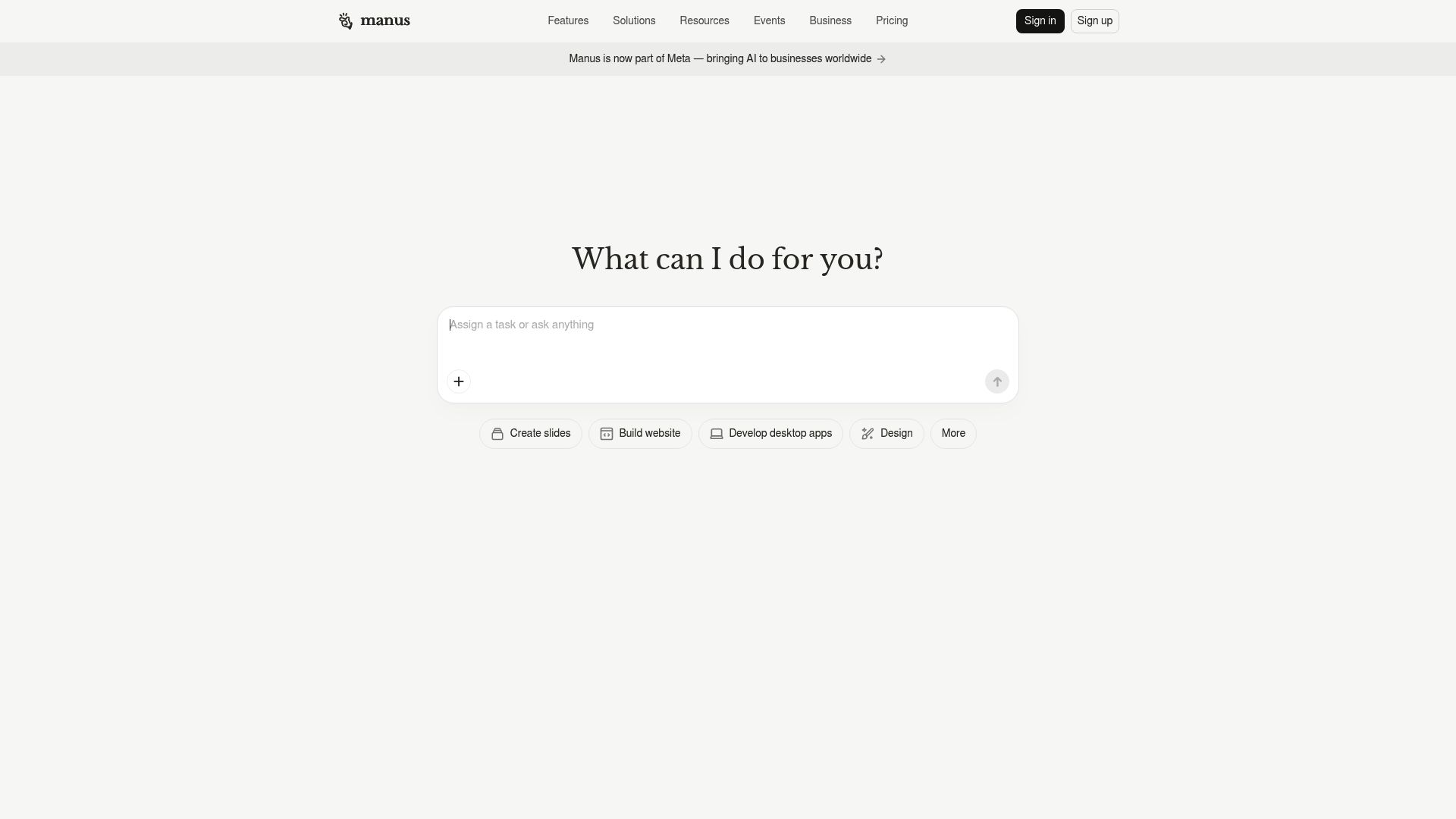
9. Manus for customer support automation chatbots.
-
10. DeepAI for visual responses for chatbot interactions
-
11. Le Chat by Mistral AI for customer support automation.
-
12. Poe for customer support automation
-
13. Chathub for enhancing chatbot training and responses
-
14. FreedomGPT for uncensored chatbot conversations securely.
-
15. Nova for customer support enhancement
How do AI chatbots work?
AI chatbots operate using advanced algorithms and natural language processing (NLP) to understand and respond to user inputs. At their core, these chatbots utilize large language models (LLMs) which have been trained on vast datasets. This training consists of everything from books to articles, allowing the chatbots to predict text in a contextually relevant manner.
When a user sends a message, the chatbot processes this input by analyzing the words and phrases to comprehend intent. It then generates a response, predicting what follows logically based on patterns it learned during training. This ability allows chatbots to simulate conversation fluidly and coherently.
Many chatbots today leverage APIs from major developers like OpenAI, meaning they depend on shared models rather than creating their own from scratch. Tools like ChatGPT and Google’s Bard exemplify this approach, offering powerful chatbot capabilities without extensive in-house development.
To improve user engagement, chatbots often include layers for personalization. They can remember prior interactions, allowing for a more tailored experience. This ability to maintain context adds a significant depth to conversations, making them appear more natural and engaging.
Despite their sophistication, AI chatbots have limitations. They might struggle with ambiguous queries or complex emotional nuances. However, as technology advances and datasets grow, we can expect these tools to become increasingly adept at handling a wider array of conversations.
For those curious about the inner workings, resources on machine learning and NLP offer further insights. The continual evolution in this field suggests that chatbots will only get better at mimicking human-like interactions in the future. Their potential to enhance customer service, educational tools, and personal assistants is vast.
Our best AI chatbots at a glance
| Rank | Name | Best for | Plans and Pricing | Rating |
|---|---|---|---|---|
| 1 | ChatGPT | conversational shopping assistant |
N/A |
4.69 (54 reviews)
|
| 2 | Gemini | interactive customer support chatbots |
N/A |
4.69 (26 reviews)
|
| 3 | Claude | conversational support for customer queries |
N/A |
5.00 (11 reviews)
|
| 4 | DeepSeek | conversational ai for customer support. |
N/A |
4.73 (11 reviews)
|
| 5 | Grok | intelligent responses for user queries. |
N/A |
4.36 (11 reviews)
|
| 6 | Perplexity | interactive customer query handling |
N/A |
4.70 (10 reviews)
|
| 7 | Microsoft Copilot | customer support automation chatbots. |
N/A |
4.82 (11 reviews)
|
| 8 | Meta AI |
N/A |
3.85 (13 reviews)
|
|
| 9 | Manus | customer support automation chatbots. |
N/A |
0.00 (0 reviews)
|
| 10 | DeepAI | visual responses for chatbot interactions |
Paid plans start at $5/API call. |
4.74 (47 reviews)
|
| 11 | Le Chat by Mistral AI | customer support automation. |
N/A |
4.78 (37 reviews)
|
| 12 | Poe | customer support automation |
N/A |
4.70 (10 reviews)
|
| 13 | Chathub | enhancing chatbot training and responses |
N/A |
4.20 (5 reviews)
|
| 14 | FreedomGPT | uncensored chatbot conversations securely. |
N/A |
4.55 (11 reviews)
|
| 15 | Nova | customer support enhancement |
N/A |
4.00 (9 reviews)
|
216 Listings in AI Chatbots Available


ChatGPT pros:
- Versatile applications
- Handles natural language processing
ChatGPT cons:
- No multilingual support
- Lacks sentiment analysis


Claude pros:
- Improved performance
- Longer responses
Claude cons:
- Limited information available about cons or limitations of Claude 2


DeepSeek pros:
- Delivers impressive results on major large model leaderboards
- Specializes in math, code, and reasoning


Grok pros:
- Designed to understand complex subjects
- Comprehensive conversational AI system
Grok cons:
- Grok lacks specific details regarding features and functionalities, indicating that development and refinement may still be ongoing.
- Grok may still be in the process of refining and developing its features and functionalities


Perplexity pros:
- Highly accurate text generation
- Flexible customization options
Perplexity cons:
- No specific cons of using Perplexity Ai were located in the provided documents.
- No specific cons of Perplexity AI were found in the provided documents.






DeepAI pros:
- Unique images every time
- Downloadable images
DeepAI cons:
- PRO account required for certain styles
- No open source
DeepAI Pricing
Paid plans start at $5/API call and include:
- Unique images every time
- Downloadable images
- Multiple style options
- Shape selection for image
- Image enhancement option
- Commercial use allowed


Poe pros:
- Poe lets you ask questions, get instant answers, and have back-and-forth conversations with AI.
- Talk to ChatGPT, GPT-4o, Claude 2, DALLE 3, and millions of others - all on Poe.
Poe cons:
- AI available through Poe is not perfect
- May be limited in knowledge of recent events


Chathub pros:
- Supports multiple chatbots simultaneously
- Unique Chat and Compare feature for side-by-side comparisons


FreedomGPT pros:
- Access
- Uncensored
FreedomGPT cons:
- Limited information available regarding specific cons or shortcomings of FreedomGPT in the provided document
- The website may have missing pages leading to 404 errors which can be frustrating for users
FreedomGPT is a groundbreaking AI chatbot developed by Age of AI, LLC, designed to provide users with an uncensored and private platform for engaging with advanced AI models. It acts as an “App Store for AI,” where individuals can explore a diverse range of AI tools tailored for various tasks, all without needing extensive technical knowledge.
What sets FreedomGPT apart is its dual approach: offering both censor-free and censored AI models. This allows users to enjoy the flexibility of exploring unrestricted information while adhering to US laws, ensuring ethical usage at all times.
The user-friendly interface simplifies access to powerful models like Liberty, GPT-3.5, and GPT-4. Users can operate AI tools online or offline, making it versatile for different workflows. Additionally, the seamless feature that lets users switch between models adds to the platform's appeal.
At its core, FreedomGPT seeks to democratize artificial intelligence. It emphasizes privacy and unbiased information, providing a space where anyone can leverage AI advancements. This dedication to offering unfiltered access means that users can make informed decisions based on a wide array of AI-generated insights.


Nova pros:
- Multi-Platform Accessibility: Available on Web, iPhone, Apple Watch, macOS, and Android devices.
- 24/7 AI Assistant: Offers humanlike responses for a wide range of inquiries and tasks.
Nova cons:
- No specific cons or missing features mentioned in the provided documents
What makes the best AI chatbot?
Creating an effective AI chatbot is no longer just about basic interactions; the landscape has evolved. As I explored numerous chatbots, I focused on several key attributes that distinguish the best from the rest.
First and foremost, context awareness is crucial. A chatbot should maintain the context of conversations, allowing for natural, flowing dialogue. It’s vital that the AI understands user intent and can adapt its responses accordingly, providing relevant information without the conversation feeling disjointed.
Another important factor is versatility. A great chatbot should be capable of handling a variety of topics while also being able to perform specific tasks tailored to user needs. Whether assisting with customer support or engaging users in casual conversation, the breadth and depth of capabilities enhance user satisfaction significantly.
User-friendliness is also paramount. Interacting with a chatbot should feel intuitive and engaging. The flow of conversation should be smooth, encouraging users to share their queries easily without frustration. An effective chatbot should provide prompts or suggestions to guide users, making the experience enjoyable.
Personalization is where top-tier chatbots truly excel. Users should feel that the chatbot understands their preferences and history. Whether recommending products or recalling past interactions, this level of tailored engagement can strengthen user relationships and foster brand loyalty.
Lastly, continuous learning and improvement are essential. The best chatbots evolve over time, refining their responses based on user interactions. They incorporate feedback and adapt to changing user behaviors, ensuring that they remain relevant and effective in their interactions.
In my evaluation of AI chatbots, these features emerged as the cornerstone of excellence. While technological sophistication plays a role, it’s ultimately the holistic user experience that elevates a chatbot from average to exceptional.
How I selected the best Chatbots
Ranking and Scoring Methodologies
Our AI tool rankings are based on a comprehensive analysis that considers factors like user reviews, monthly visits, engagement, features, and pricing. Each tool is carefully evaluated to ensure you find the best option in this category. Learn more about our ranking methodology here.
When selecting the best chatbots, I focused exclusively on those that are actively being developed and show significant improvements. The rapid advancements in this field necessitate a keen eye for tools that adapt and innovate regularly. My hands-on testing aimed to identify apps that not only keep pace but also enhance their offerings.
One of my primary criteria was the quality of the AI model. Each chatbot must provide reliable answers characterized by fluency and accuracy, ensuring a satisfying interaction. A superior engine enables users to trust the insights they receive.
Conversational experience plays a crucial role. It’s essential that the combination of the chatbot and its underlying AI model creates an engaging environment. A chatbot should facilitate smooth interactions and offer flexibility when carrying out various tasks.
I also considered chat app tools; an effective chatbot should do more than just facilitate conversation. Capabilities such as web searching, image generation, and chart creation elevate the experience, providing added value beyond simple chats.
Integration capabilities were another area of focus. Some chatbots enhance existing platforms, while others facilitate connections with multiple third-party applications. I aimed to represent the best tools from both categories to ensure diverse functionality.
Lastly, I looked for extra features that add to the user experience. Supporting multiple languages or the ability to access real-time information can significantly enhance the utility of a chatbot. Through careful analysis and interaction, I’ve compiled a list of the top chatbots, confident that you’ll enjoy exploring them.